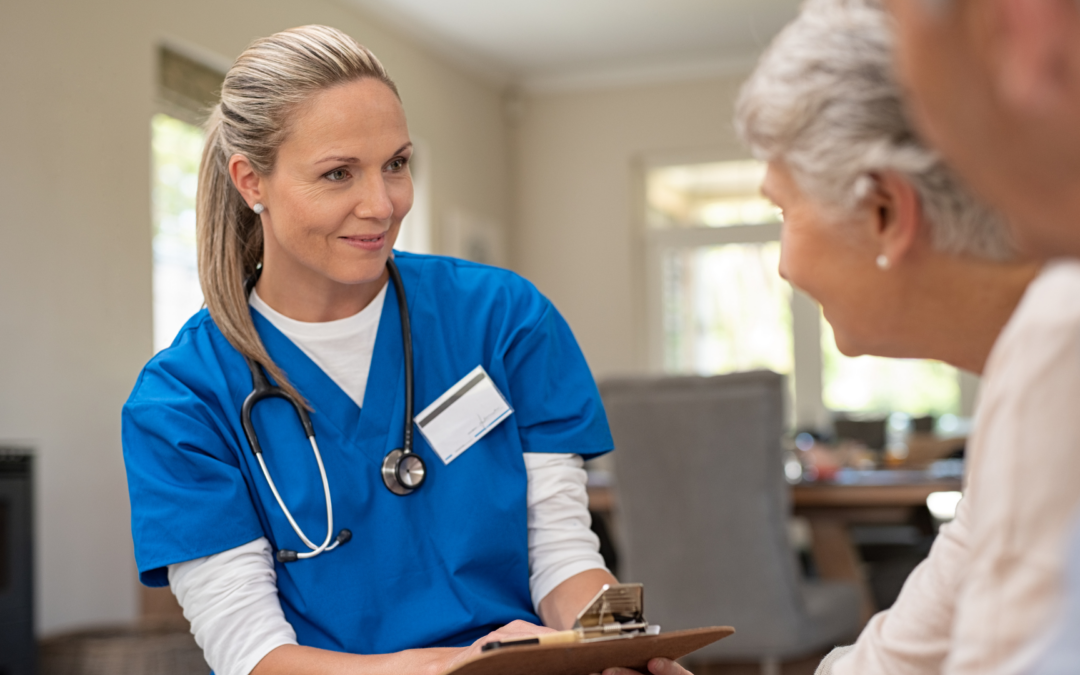
When a skilled nurse comes to your home, what actually happens?
Many families imagine a quick visit—checking blood pressure, asking a few questions, and leaving. In reality, skilled nursing in home health care involves comprehensive medical care that plays a critical role in recovery, safety, and preventing hospital readmissions.
If you’re caring for a loved one—or considering home health services—understanding what a skilled nurse does can help you make informed decisions. Let’s break down the day-to-day responsibilities of a home health nurse and why their role is far more important than most people realize.
Who Is a Skilled Nurse in Home Health Care?
Skilled nurses in home health care are licensed medical professionals—Registered Nurses (RNs) or Licensed Practical Nurses (LPNs)—who provide care that requires clinical training and judgment.
They are not the same as home health aides or companions.
While home care focuses on assistance with daily activities like bathing or meal prep, skilled nursing focuses on medical needs ordered by a physician. This allows patients to receive hospital-level medical oversight while remaining safely at home.
1. Comprehensive Health Assessments at Every Visit
Every skilled nursing visit begins with a thorough assessment.
Nurses check vital signs such as:
- Blood pressure
- Heart rate
- Temperature
- Oxygen levels
- Weight
But they don’t just record numbers. Skilled nurses look for patterns and changes over time.
For example:
- Is blood pressure slowly trending upward?
- Is sudden weight gain a sign of fluid retention?
- Is shortness of breath becoming more frequent?
These early warning signs can signal serious issues like heart failure, infection, or another hospital-level complication. Skilled nurses identify problems early—often preventing emergency room visits or hospital readmissions.
2. Medication Management and Safety Monitoring
Medication management is one of the most critical roles of a skilled nurse.
After hospitalization, patients are often prescribed multiple new medications. Confusion, missed doses, or dangerous interactions are common—and can be life-threatening.
Skilled nurses:
- Review all medications, including over-the-counter drugs and supplements
- Ensure medications are taken correctly and at the right times
- Monitor for side effects and adverse reactions
- Identify dangerous drug interactions
- Communicate directly with physicians if medications need adjustment
They also educate patients and caregivers on what each medication does and what warning signs to watch for, empowering families to manage care safely between visits.
3. Wound Care and Clinical Procedures
Many patients receiving home health care require medical procedures that cannot be safely performed without professional training.
Skilled nurses provide:
- Wound assessments and sterile dressing changes
- Surgical site monitoring
- Catheter and ostomy care
- Feeding tube management
- PICC line and IV care
These procedures require sterile technique, clinical expertise, and the ability to recognize signs of infection or delayed healing. Skilled nurses know when healing is progressing—and when immediate medical attention is needed.
4. Patient and Family Education
One of the most valuable—but often overlooked—roles of a skilled nurse is education.
Nurses teach patients and caregivers how to:
- Manage chronic conditions like heart disease or diabetes
- Recognize symptoms that require urgent medical care
- Prevent complications such as infections or falls
- Perform basic care tasks safely and correctly
This education reduces fear and confusion. Families feel more confident, prepared, and supported—rather than overwhelmed by complex medical needs.
5. Care Coordination and Advocacy
Skilled nurses act as the central hub of communication in home health care.
They coordinate with:
- Physicians
- Physical and occupational therapists
- Case managers
- Other healthcare providers
They update care plans as conditions change, report progress or concerns, and advocate for the patient when something doesn’t seem right. This coordination ensures everyone involved in care is aligned and working toward the same goals.
Why Skilled Nursing at Home Matters
Skilled nursing is not just about monitoring—it’s about prevention, early intervention, and long-term stability.
By providing consistent medical oversight in the home, skilled nurses:
- Reduce hospital readmissions
- Catch complications early
- Support recovery after illness or surgery
- Help patients remain safely at home longer
For many families, skilled nursing is the difference between repeated hospital visits and a smoother, safer recovery.
Skilled Nursing Services at Enchanted Hearts Home Health
At Enchanted Hearts Home Health, we provide Medicaid-certified skilled nursing services delivered by experienced, compassionate nurses who understand both the clinical and emotional needs of patients and families.
Our skilled nursing services include:
- Comprehensive health assessments
- Medication management and education
- Wound care and clinical procedures
- Chronic condition monitoring
- Coordination with physicians and therapy providers
📞 Contact Enchanted Hearts Home Health today for a free consultation.
We’ll help assess eligibility, explain available services, and guide you through the next steps—so you or your loved one can receive the care needed at home.
Still wondering if skilled nursing is right for your situation?
Explore our other educational resources or reach out to our team—we’re here to help you understand your options and make confident care decisions.