A stroke can change life in an instant—affecting movement, speech, memory, and confidence. For many families, the biggest question comes after hospital discharge: what happens next?
This guide explains how home health care after stroke supports recovery, who it helps most, and the services that make the greatest difference for patients and caregivers.
Why Home Health Care Matters After a Stroke
Leaving the hospital doesn’t mean recovery is complete. In fact, the most critical phase of stroke recovery often happens at home, where patients relearn everyday skills and adjust to life after a major medical event.
After a stroke, the brain relies on neuroplasticity—its ability to form new connections and compensate for damaged areas. This process is most active in the first few months following a stroke, making early, consistent support essential.
Home health care allows stroke survivors to recover in a familiar environment, which can reduce stress and anxiety while focusing on three key goals:
- Safety (preventing falls and complications)
- Independence (regaining daily function)
- Long-term improvement (not just stabilization)
According to the American Stroke Association, early rehabilitation and medical oversight significantly improve outcomes for stroke survivors.
1. Skilled Nursing: The Foundation of Stroke Recovery at Home
Skilled nursing is often the backbone of home health care after stroke. These services are ordered by a physician and provided by licensed nurses who focus on medical stability and complication prevention.
How Skilled Nursing Helps:
- Medication management: Stroke survivors often take multiple new medications, such as blood thinners and blood pressure medications. Nurses ensure medications are taken correctly and safely.
- Blood pressure monitoring: High blood pressure is a leading cause of recurrent stroke. Regular monitoring helps catch issues early.
- Complication prevention: Nurses watch for warning signs of infections, blood clots, pressure injuries, or another stroke.
- Family education: Caregivers are taught how to support recovery and recognize red flags.
Research shows nearly 1 in 4 stroke survivors experiences another stroke, making ongoing monitoring critical.
2. Physical Therapy: Rebuilding Strength and Mobility
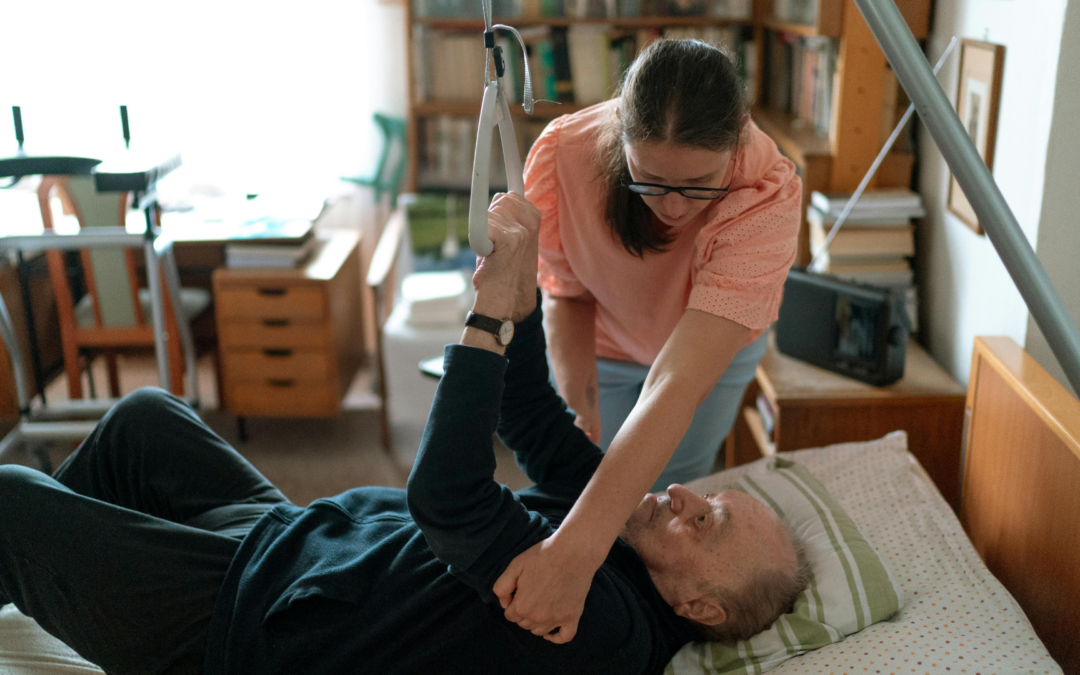
After a stroke, many people experience weakness or paralysis on one side of the body. Physical therapy focuses on restoring movement and reducing fall risk.
Physical Therapy Supports:
- Strength rebuilding
- Balance and coordination
- Safe walking and transfers
- Use of assistive devices when needed
Practicing movement in the home environment allows therapy to focus on real-life challenges, such as navigating doorways, bathrooms, and stairs.
3. Occupational Therapy: Regaining Independence in Daily Life
Occupational therapy focuses on activities of daily living (ADLs)—the basic tasks needed for independence.
These include:
- Dressing and grooming
- Bathing safely
- Eating and meal preparation
- Fine motor skills like buttoning clothes or using utensils
- Cognitive strategies for memory and problem-solving
The goal isn’t just assistance—it’s helping stroke survivors safely perform tasks on their own as much as possible.
4. Speech Therapy: Communication, Swallowing, and Cognition
Speech therapy is often misunderstood as only addressing speech, but it plays a critical role in stroke recovery.
Speech-language pathologists help with:
- Speech and language difficulties (aphasia)
- Swallowing problems (dysphagia), which can lead to aspiration pneumonia
- Cognitive-communication issues, including attention and memory
Swallowing difficulties affect up to 65% of stroke survivors, making early assessment vital for safety.
Why These Services Work Best Together
The most effective stroke recovery plans involve coordinated care. Skilled nursing, therapy services, and physician oversight work together to address medical, functional, and safety needs.
When care is coordinated:
- Problems are identified earlier
- Therapy progress is supported medically
- Recovery plans adjust as needs change
This integrated approach leads to better outcomes and fewer hospital readmissions.
Why Starting Home Health Care Early Matters
Timing is one of the most important factors in stroke recovery. Early home health care can:
- Reduce hospital readmissions
- Prevent complications
- Improve long-term independence
- Support caregivers with education and guidance
Waiting weeks to start care can mean missing the most active recovery window.
Skilled Nursing Support at Enchanted Hearts Homecare and Home Health
If you or a loved one is recovering from a stroke, skilled nursing care at home can make a meaningful difference.
Enchanted Hearts Homecare and Home Health provides Medicaid-certified skilled nursing services, including:
- Medication management
- Health monitoring
- Education for patients and caregivers
- Complication prevention
- Coordination with doctors and therapy providers
All care is delivered in the comfort and familiarity of home.
📞 Contact Enchanted Hearts today for a free consultation to see if you qualify for home health services and get support during this critical stage of recovery.